01
Carried in
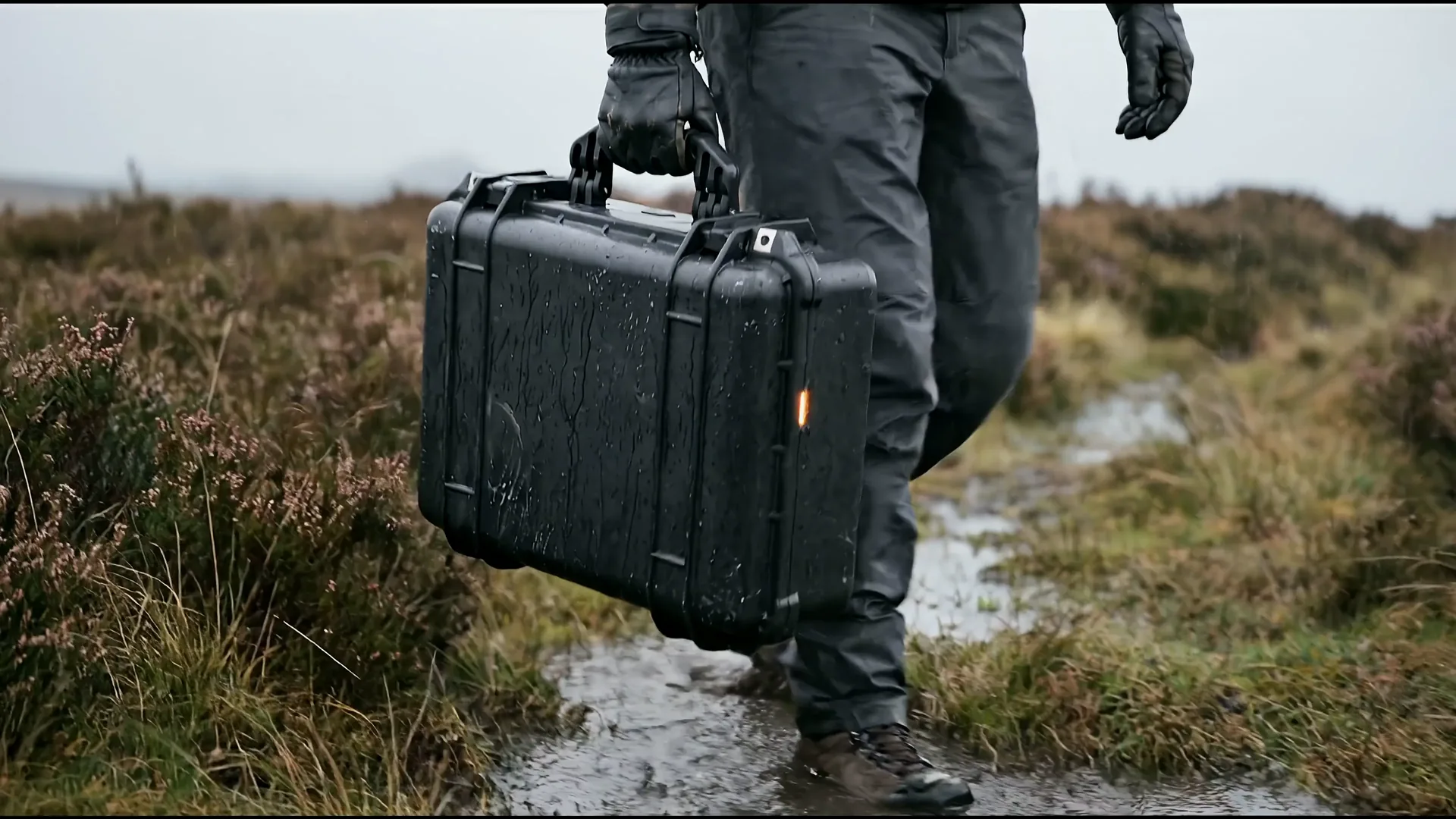
It runs in the case it travels in. The position gets AI compute without a room to house it.
 HARDPOINT/AI
Contact
Hardware · HP-FN1 family
Two nodes. One EdgeOS.
HP-FN1 for the forward position, the command post and the vehicle. HP-FN1 Micro for small vehicles, drones and teams on foot. Both take EdgeOS to the sensors, and decide there.
Where a platform has no compute of its own, our nodes bring it. Set one down beside the sensors, and EdgeOS decides on site.
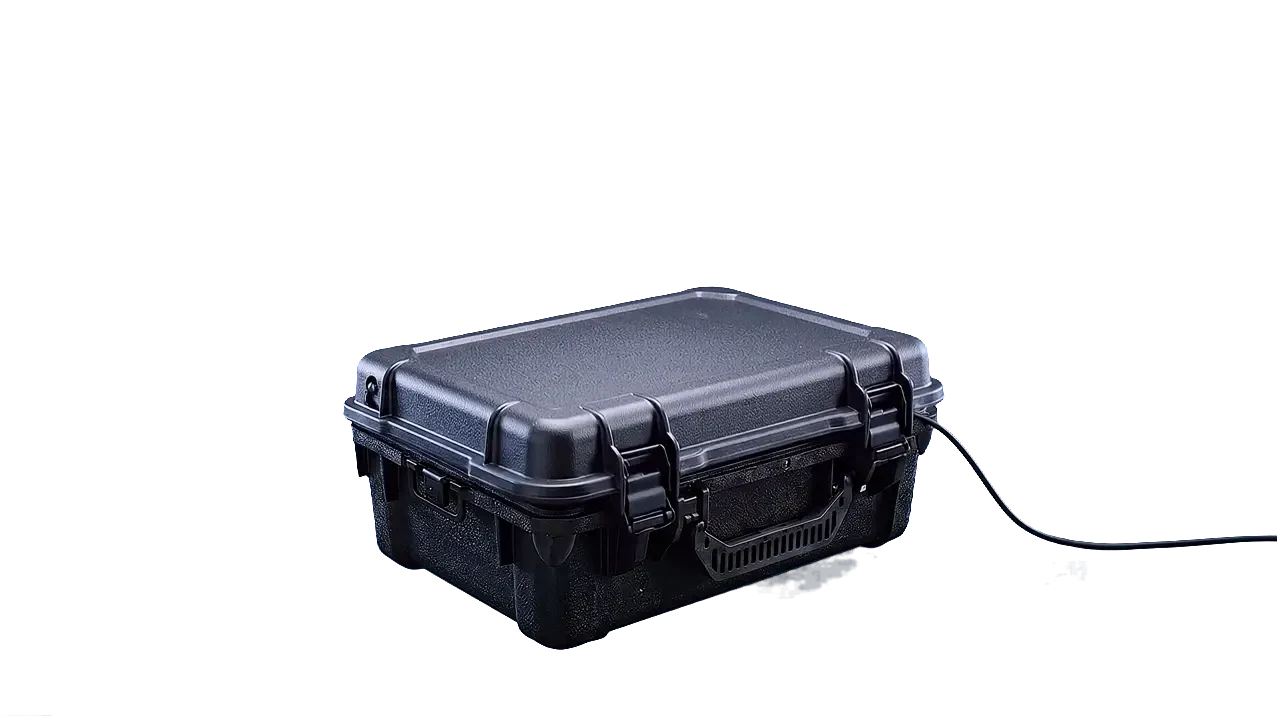
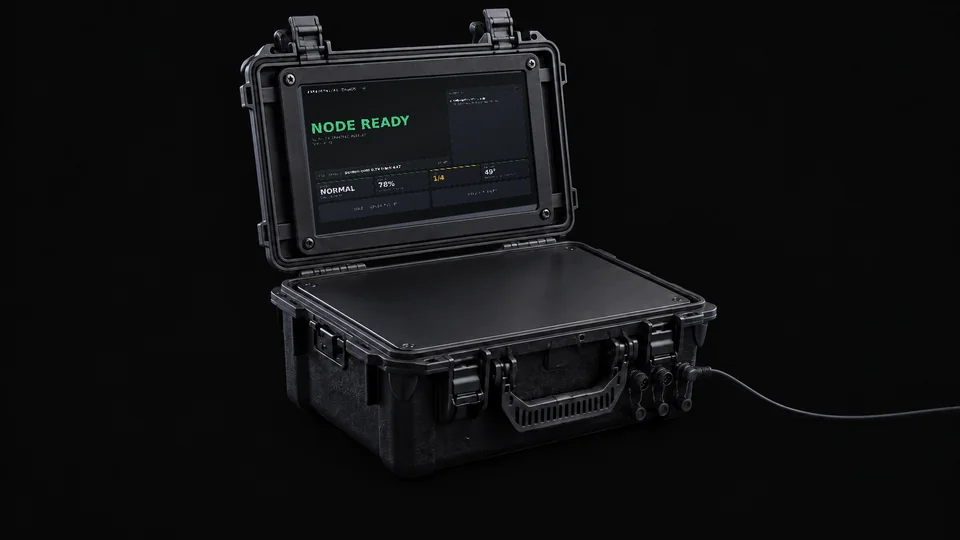
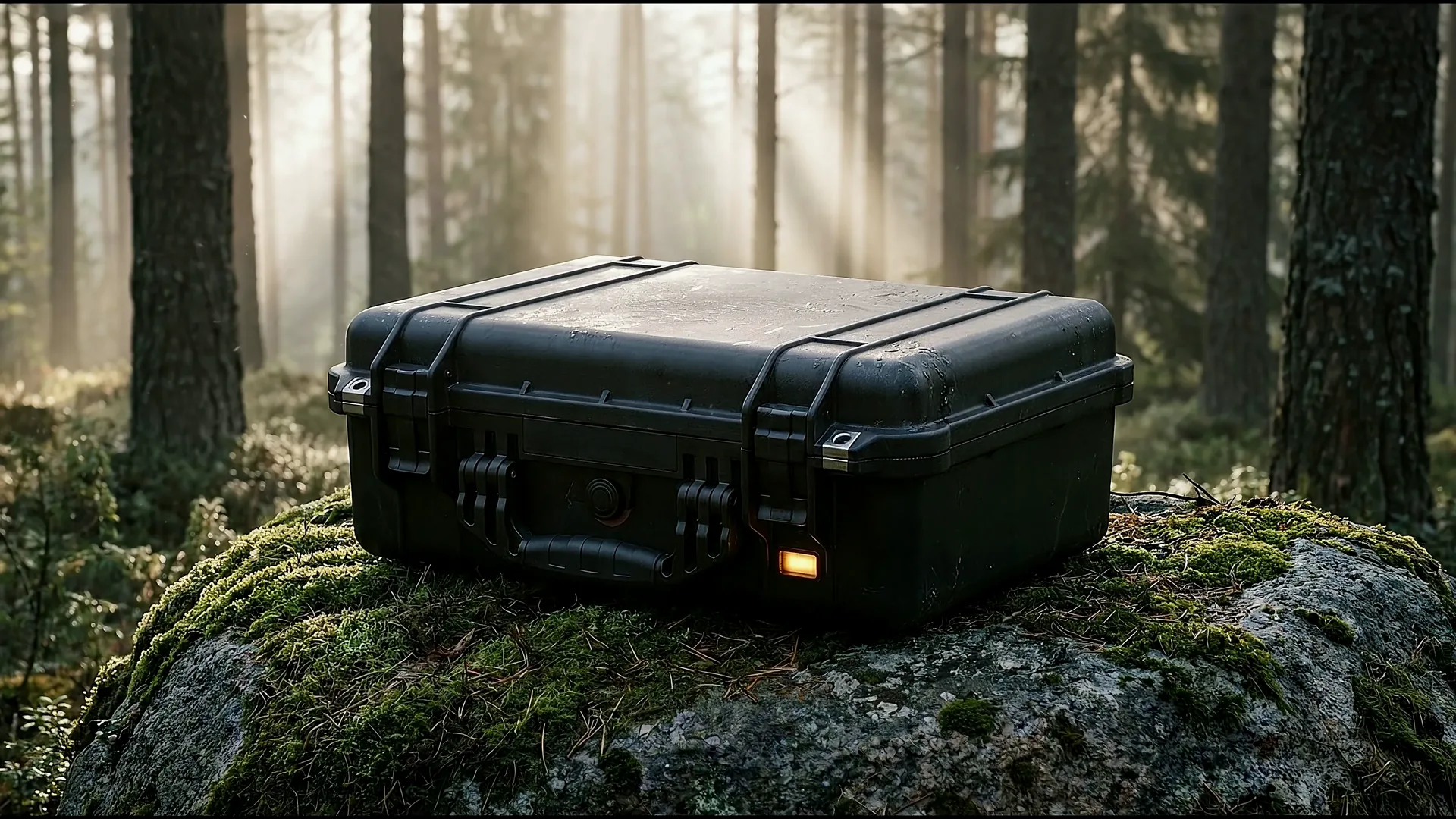 HP-FN1The forward node. Up to 2070 TFLOPS, its own batteries and a 10.1-inch touchscreen, in one sealed case.
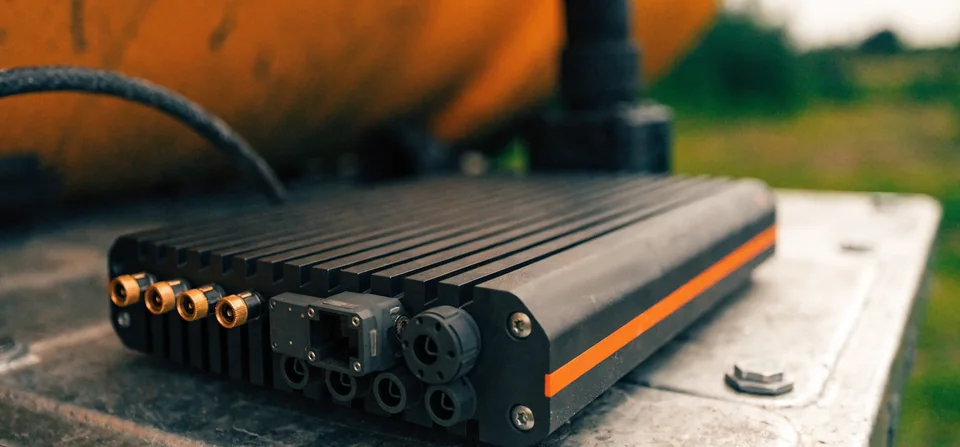 HP-FN1 MicroThe compact node, in its own enclosure. For small vehicles, drones and teams on foot.
No node needed? EdgeOS also runs on the edge compute a platform already carries. About EdgeOS
HP-FN1 · Open the case
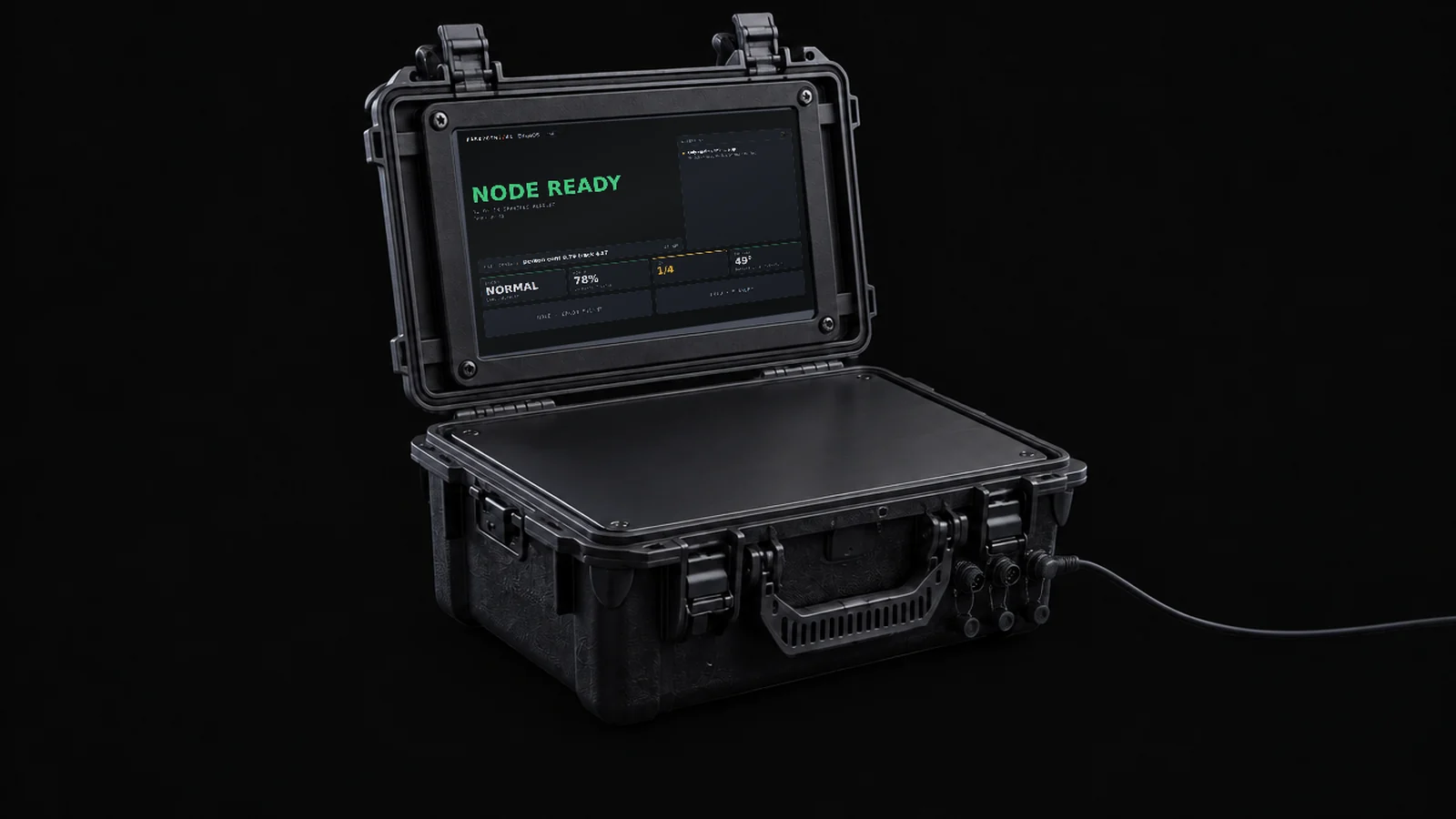
Where it goes
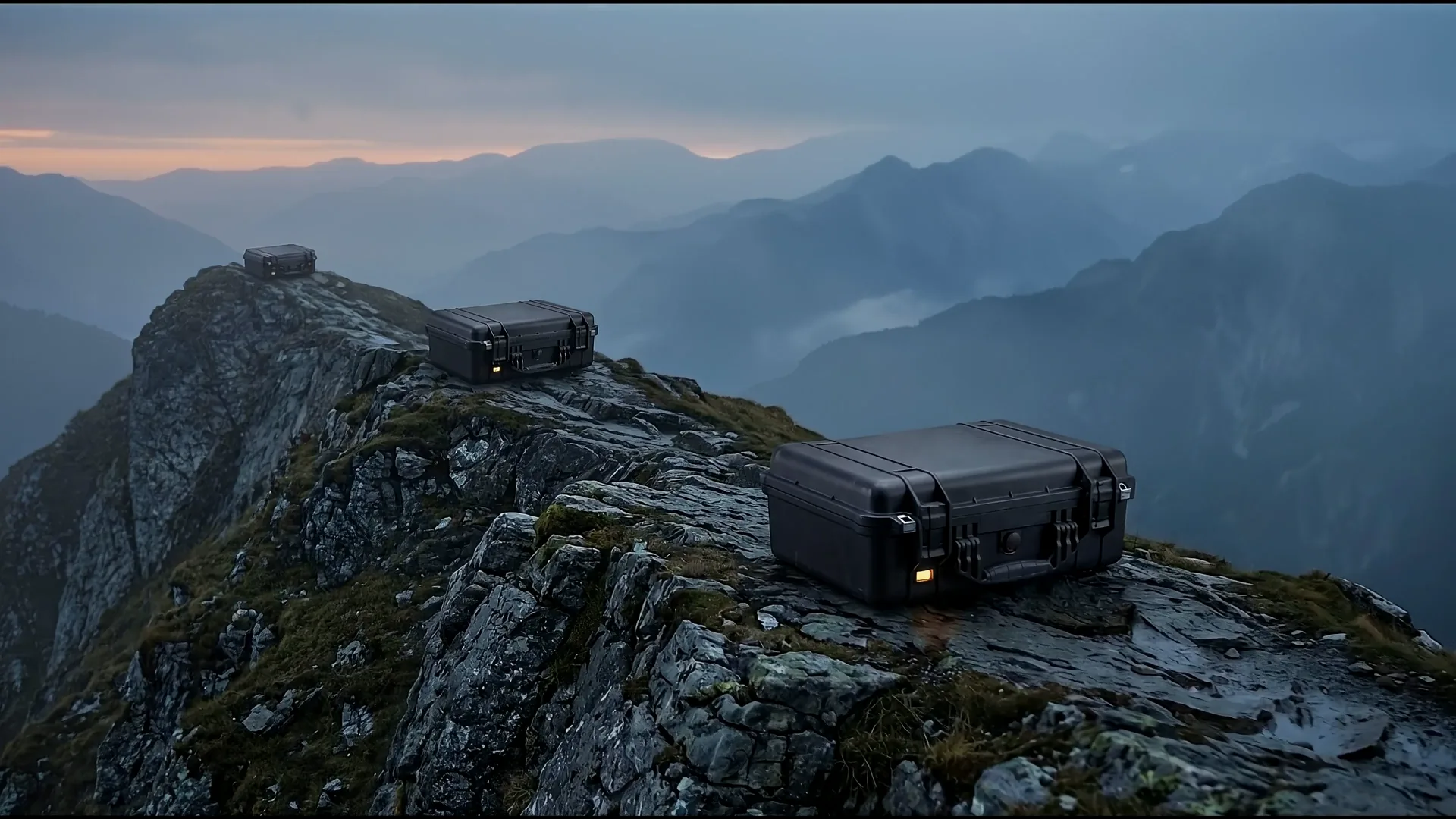
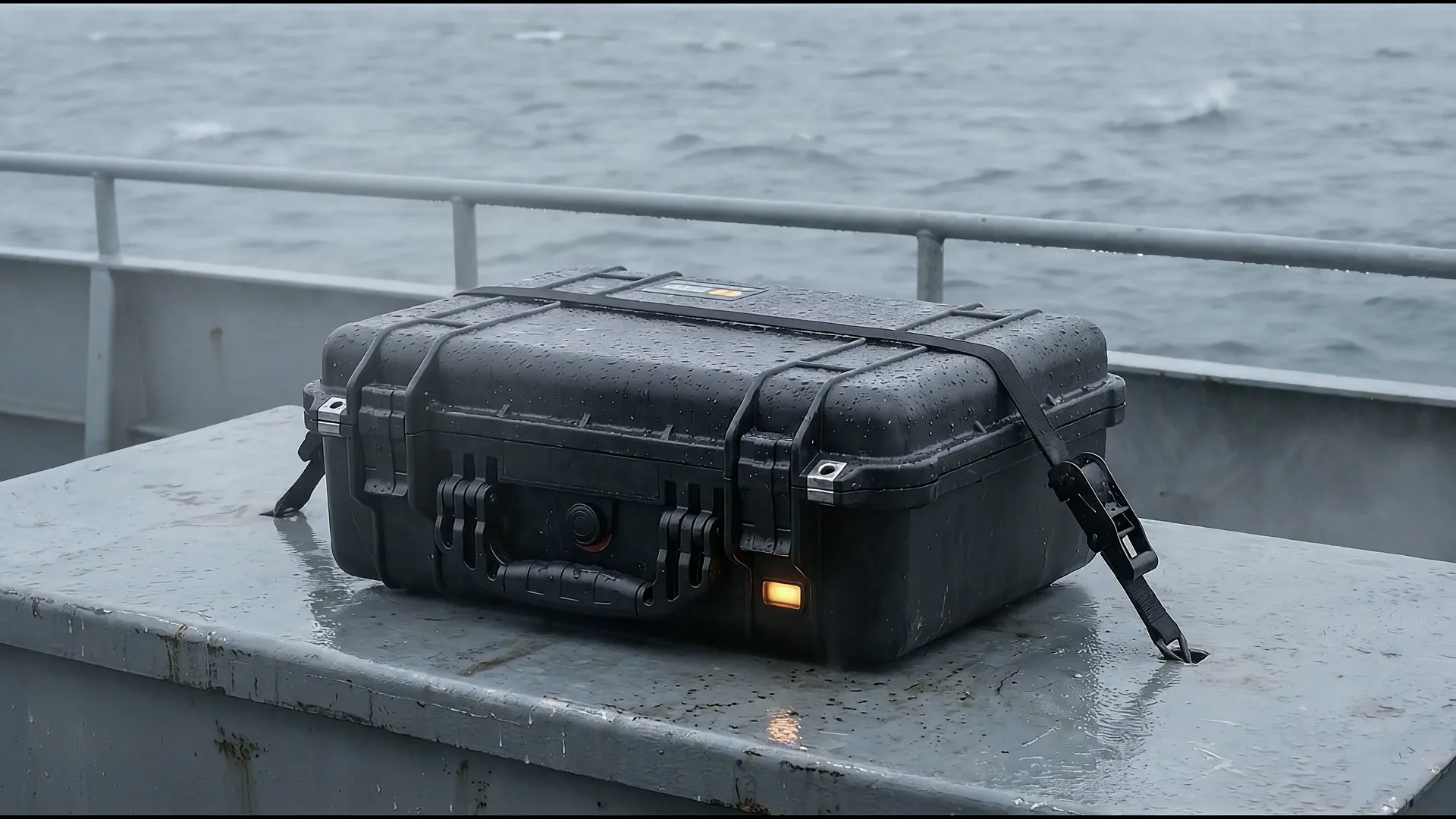
HP-FN1 · Design
It runs in the case it travels in. The position gets AI compute without a room to house it.
It connects to the sensors a site or vehicle already has: GMSL2 and IP cameras, thermal and infrared, radar and lidar.
EdgeOS decides on the node, beside the sensors. Nothing it needs sits in a cloud.
LiFePO₄ batteries for positions with no power, or the power of the vehicle it rides on.
A sealed hard case, with threaded military connectors on its side. Electronics rated −40 to +60 °C.
A 10.1-inch rugged touchscreen runs the EdgeOS operator panel, so the person on site sees the node's state, links and alerts at a glance.
HP-FN1 · In numbers
2070TFLOPS
AI compute, up to
FP4 · NVIDIA Jetson AGX Thor10.1in
Rugged touchscreen in the lid
On every HP-FN12TB
NVMe storage inside
Up to 12 TB with external drives−40to +60 °C
Electronics rated
Sealed caseTry it
Four sites, each with cameras already up. You have three nodes. Set one down and it takes in the cameras around it. Cover three sites to finish.
Illustration, not a real site. Ranges, counts and scores are made up.
Mission 01
Cover the sites.
Click or tap the ground to set a node down
Plan a site
This demo needs WebGL, which this browser has turned off.
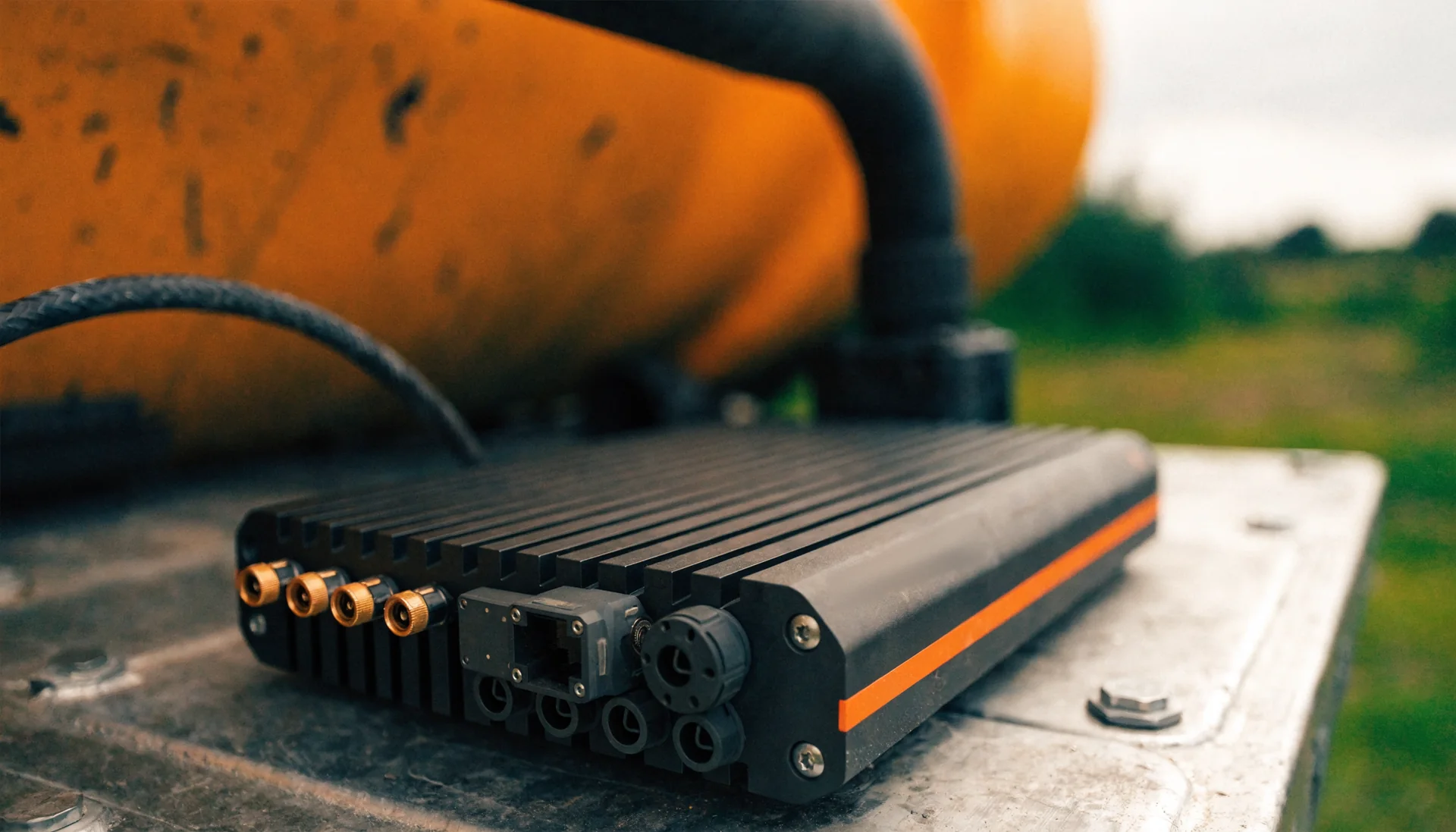
HP-FN1 Micro
Its own enclosure: billet aluminium, finned and fanless, with no case around it. Built for small vehicles, drones and teams on foot, and for spreading sensing across a wider area. The same EdgeOS as HP-FN1.
HP-FN1 Micro · Built for
Mounted flat or on MOLLE on a small ground vehicle, working with the platform's own cameras.
Built to ride on a drone, beside its own cameras, so the AI runs in the air.
Carried with the team and set down at the position.
Many small nodes, linked by Rajant mesh, each deciding on its own.
Hot-swap batteries, or the platform's own power.
EdgeOS is the same on every node in the HP-FN1 family, so an HP-FN1 and a Micro work side by side on the same site.
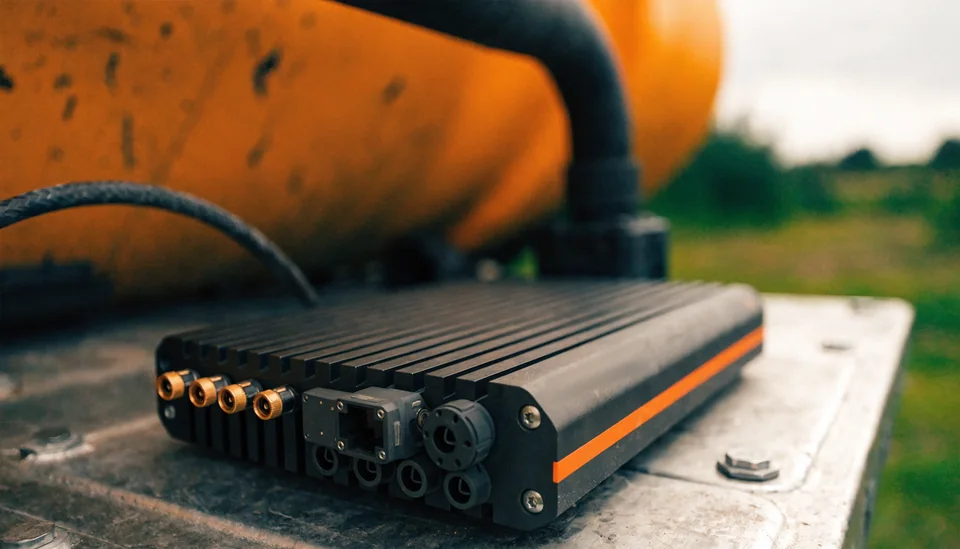
Specifications
They connect to the sensors a site or platform already has: GMSL2 and IP cameras, thermal and infrared cameras, radar, lidar and drone video. Each node carries its own GNSS-INS, so it knows where it is.
Cable is the usual way. When a position needs it, cameras link wirelessly instead, over Rajant mesh, 5G or satellite.
No. EdgeOS decides on the node. When there is a link, the node uses it to share what it found, and it keeps working without one.
Their own batteries: LiFePO₄ in HP-FN1 and hot-swap packs in the Micro. Both also run on the power of the vehicle or platform they ride on.
No. EdgeOS also runs on the edge compute a platform already carries. Our nodes are for positions and platforms that have none.
Write to us about your site or platform, and we will come back with what fits and when.